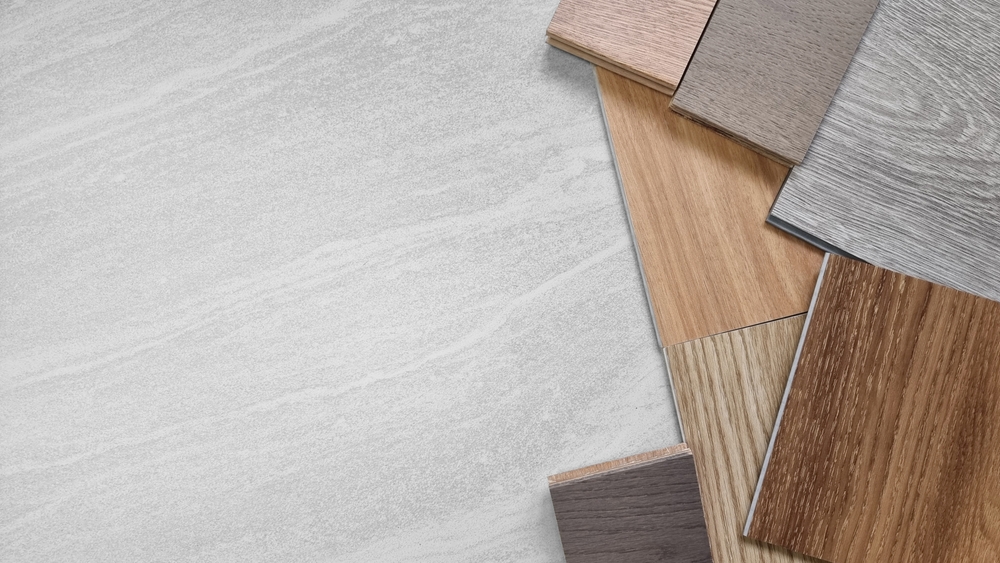
As the new year approaches, homeowners and designers are gearing up to refresh their spaces with the latest styles and materials. Among the most transformative home upgrades, flooring takes center stage in defining the aesthetic, comfort, and functionality of any room. With new flooring trends coming in 2025, this is the perfect time to explore creative flooring projects to elevate your home. Let’s dive into the dominating ideas for new flooring that are set to make waves in the upcoming year.
Why Update Your Flooring for the New Year?
Flooring serves as the foundation of interior design. It’s not just a surface to walk on but a critical component that ties the entire look of a space together. Upgrading your flooring can:
Enhance the aesthetic appeal of your home.
Improve comfort and functionality.
Increase property value.
Introduce sustainability and modern innovations.
The trends for 2025 are leaning heavily into eco-conscious choices, versatile designs, and advanced materials, making this the ideal time to start planning your new flooring projects.
Dominating Ideas for New Flooring
Sustainable Flooring Options
With environmental concerns taking precedence, sustainable flooring is one of the dominating ideas for new flooring in 2025. Eco-friendly materials are not just a trend but a necessity for mindful homeowners. Here are some top choices:
Bamboo Flooring
Bamboo has emerged as a durable and renewable flooring option. Its fast-growing nature and minimal environmental impact make it a favorite among eco-conscious individuals. Bamboo flooring offers:
A sleek and modern look.
Exceptional durability.
Resistance to moisture and wear.
Reclaimed Wood
Reclaimed wood brings history and character to your flooring. Using wood salvaged from old structures reduces waste and adds a unique touch to your home. This option is ideal for rustic, farmhouse, or industrial designs.
Cork Flooring
Cork is gaining popularity for its soft texture and eco-friendliness. Harvested from the bark of cork oak trees, this material is renewable and offers:
Natural thermal insulation.
A quiet and comfortable surface.
Hypoallergenic properties.
Luxurious Vinyl Plank (LVP)
Vinyl plank flooring continues to dominate the market due to its versatility and affordability. For 2025, new flooring trends coming in 2025 showcase elevated designs with realistic textures and patterns.
Waterproof Features
Many LVP options now come with enhanced waterproofing, making them ideal for kitchens, bathrooms, and basements. This ensures longevity and easy maintenance.
Realistic Wood and Stone Looks
Advancements in technology have made it possible to mimic the appearance of wood and stone convincingly. These options provide the look of high-end materials at a fraction of the cost.
Bold Patterns and Colors
2025 is all about making a statement. Bold flooring patterns and vibrant colors are dominating the design landscape, offering a departure from minimalist trends of the past.
Geometric Tiles
Geometric designs in tiles allow homeowners to experiment with unique shapes and patterns. Hexagons, chevrons, and herringbone layouts add an artistic touch to any room.
Painted Concrete Floors
Painted and polished concrete is perfect for modern and industrial-style homes. With endless color options and designs, concrete floors offer:
Durability.
Low maintenance.
A seamless, contemporary look.
Statement Rugs and Carpeting
If you’re not ready to commit to bold flooring, consider layering statement rugs over neutral bases. Vibrant, patterned rugs can be swapped out with ease, giving your home a dynamic and fresh look.
Mixed Materials for a Unique Look
Combining different materials in flooring is becoming increasingly popular. Mixing wood with tiles, for instance, creates a visually striking effect and allows for functional zoning within open-concept spaces.
Wood and Marble Combination
Pairing the warmth of wood with the elegance of marble provides a luxurious and balanced design. This approach works well in large spaces like living rooms and entryways.
Tile and Carpet Inserts
Strategically placing carpet inserts within tiled areas can add comfort and softness to spaces like bedrooms and lounges.
Trending Flooring Materials for 2025
Engineered Hardwood
Engineered hardwood combines the beauty of natural wood with enhanced durability. Unlike solid wood, it’s less susceptible to warping and is compatible with underfloor heating systems. This makes it a top choice for modern homes.
Terrazzo Flooring
Terrazzo is making a grand comeback. Known for its speckled appearance, terrazzo combines marble, granite, and quartz chips in a cement or epoxy base. It’s stylish, durable, and perfect for high-traffic areas.
Natural Stone
Natural stone remains a timeless option for those seeking luxury. Marble, slate, and travertine are highly sought after for their elegance and resilience. For 2025, textured finishes and matte surfaces are particularly in demand.
Innovative Carpet Designs
Carpeting is also seeing a revival with innovative textures and sustainable fibers. Look out for:
Organic wool carpets.
Bold patterns and sculptural designs.
Stain-resistant and hypoallergenic options.
Smart Flooring Technology
The integration of technology into flooring is a fascinating trend to watch in 2025. Smart flooring offers both convenience and innovation:
Heated Flooring Systems
Underfloor heating is becoming more accessible and energy-efficient. It’s a practical solution for cold climates and adds an element of luxury to your home.
Sensor-Embedded Floors
Floors with embedded sensors can monitor foot traffic, track activity, and even control lighting. These innovations are particularly useful in smart homes and commercial spaces.
Tips for Planning Your New Flooring Project
Assess Your Needs
Consider the specific requirements of each room before choosing a flooring type. High-traffic areas, for example, may benefit from durable options like LVP or natural stone, while bedrooms could be more suited to soft carpeting.
Set a Budget
Flooring projects can vary greatly in cost. Determine your budget early and explore materials that offer the best value for your investment.
Hire Professionals or DIY?
While some flooring options are DIY-friendly, others require professional installation. Weigh the pros and cons based on your skill level and the complexity of the project.
Maintenance Considerations
Choose flooring that aligns with your lifestyle and maintenance preferences. For example, households with pets may prefer scratch-resistant options like vinyl plank or tile.
Embrace the Future of Flooring
As you plan your new flooring projects for the new year, keep these new flooring trends coming in 2025 in mind. From sustainable materials to bold designs and smart technologies, the options are endless. Whether you’re looking to transform a single room or revamp your entire home, there’s no better time to start than now.
Take the leap into the future of design and create spaces that are not only visually stunning but also functional and sustainable. Your floors are more than just a foundation—they’re a statement of style and innovation.
Need Flooring Installation in Wilmington, NC?
Here at Floorz to Your Doorz, we’re here to make your flooring experience as convenient and personalized as possible! Whether you prefer to explore our wide selection of flooring options in the comfort of your own home or want to visit our showroom, we’ve got you covered. From carpets and custom rugs to luxury vinyl planks, hardwood, and window treatments, we’re committed to finding the perfect solution for your space. Serving the East Coastline of North Carolina, reach out today and let us help you transform your home or business with style and ease!
Hardwood floors have long been a favorite choice for homeowners, offering beauty, durability, and timeless appeal. But one of the most effective ways to enhance the look of your hardwood floors is through staining. Choosing the right stain color and type can completely transform the feel of a room, adding warmth, character, or even a modern twist. This guide will walk you through everything you need to know about hardwood floor staining, including the best hardwood floor stain colors and hardwood floor stain types to choose for your home.
Why Stain Hardwood Floors?
Staining hardwood floors not only enhances their natural beauty but also offers several functional benefits. Here are a few reasons why you might want to consider staining your hardwood floors:
Personalization: Staining allows you to customize the color of your wood, helping your floor match the style of your home and furniture.
Hide Imperfections: If your hardwood has any inconsistencies or blemishes, a well-chosen stain can mask these imperfections.
Protection: Some stains provide an added layer of protection against wear and tear, as well as moisture.
With these benefits in mind, let’s explore the types of hardwood floor stains and how to choose the right color.
Understanding Hardwood Floor Stain Types
There are several types of stains available, and the right choice depends on factors like the type of wood, the desired finish, and how much maintenance you’re willing to commit to. Here are some common hardwood floor stain types:
Oil-Based Stains
Oil-based stains are perhaps the most popular option for hardwood floors. They penetrate deep into the wood, providing rich color and enhancing the grain. Oil-based stains also take longer to dry, which means you have more time to work with the product before it sets.
Pros:
Deep penetration enhances the wood’s natural grain.
Rich, vibrant color.
Longer working time allows for a more even finish.
Cons:
Takes longer to dry, which could delay the completion of your project.
Strong odor during application.
May yellow over time, particularly in sunlit areas.
Water-Based Stains
Water-based stains are becoming increasingly popular due to their eco-friendly composition and faster drying times. They provide a more subtle color compared to oil-based options, but the color can still be vibrant depending on the type of wood and the number of coats applied.
Pros:
Quick drying, allowing for multiple coats in a day.
Low odor and fewer VOCs (volatile organic compounds), making it a more environmentally friendly choice.
Retains color over time without yellowing.
Cons:
Doesn’t penetrate as deeply as oil-based stains, which can result in a more surface-level finish.
Requires more coats to achieve deep color.
Gel-Based Stains
Gel-based stains are thicker and sit on top of the wood rather than soaking in. They’re ideal for wood that doesn’t absorb liquid well or for achieving a more consistent color.
Pros:
Easier to control during application, which reduces the risk of streaks and blotches.
Ideal for less porous woods or woods with uneven grain.
Cons:
Doesn’t penetrate deeply into the wood.
Limited color selection compared to oil- and water-based stains.
Reactive Stains
Reactive stains use a chemical reaction between the stain and the wood’s tannins to create a unique, one-of-a-kind finish. These stains are ideal for homeowners looking for a custom, artisan-style floor.
Pros:
Creates unique colors and patterns, as the stain reacts to the natural properties of the wood.
Adds a handcrafted, artistic look.
Cons:
Results can be unpredictable, which might not be ideal for all homeowners.
More expensive than traditional stains.
Popular Hardwood Floor Stain Colors
Choosing the right stain color can be a daunting task. With so many options available, it’s essential to consider how the stain will look in your space, how it will complement your decor, and how it will age over time. Let’s break down some of the most popular hardwood floor stain colors to help guide your decision.
Light and Natural Stain Colors
If you’re aiming for an airy, open feel, light stain colors can brighten your space and make rooms feel larger. Light stains also showcase the natural beauty of the wood grain, adding a timeless and elegant look to your floors.
Popular Light Stain Colors:
Golden Oak: This is a warm, honey-colored stain that complements a wide range of furniture styles and decor.
Natural Maple: A pale, almost white color that brings a fresh, modern vibe to any room.
Whitewash: Whitewashed floors give a rustic, beachy look, perfect for coastal homes or spaces aiming for a laid-back aesthetic.
Pros of Light Stains:
Makes small rooms appear larger and more open.
Hides dust and pet hair more easily.
Timeless and versatile.
Cons of Light Stains:
Shows scratches and wear more prominently.
May not age as well in high-traffic areas.
Medium Stain Colors
Medium stains are a great middle ground between light and dark, offering depth and richness without being too dramatic. They tend to be very forgiving of scratches and imperfections, making them a great choice for families with pets or children.
Popular Medium Stain Colors:
Walnut: A rich, brown stain that enhances the wood’s natural grain and adds warmth to a room.
Provincial: A classic, warm brown with just a hint of red undertones, perfect for traditional or rustic homes.
Early American: A neutral brown that works well in almost any setting, this stain provides warmth without overpowering the room.
Pros of Medium Stains:
Hides dirt and scratches better than light or dark stains.
Works well in both traditional and modern settings.
Adds warmth and coziness to a room.
Cons of Medium Stains:
Can darken over time, especially in areas with direct sunlight.
May not match well with every type of furniture or decor.
Dark Stain Colors
Dark stains can make a bold statement, giving your floors a sleek, modern look. They tend to be dramatic and work especially well in large rooms with ample natural light. However, dark floors can show dust and scratches more readily, so they may require more maintenance.
Popular Dark Stain Colors:
Espresso: A deep, rich brown that adds sophistication and depth to a room.
Jacobean: One of the darkest stains available, Jacobean offers a near-black finish that’s perfect for creating contrast in a light-filled space.
Ebony: A true black stain that gives your floors a contemporary, sleek look.
Pros of Dark Stains:
Creates a dramatic, luxurious look.
Hides imperfections in the wood grain.
Ideal for large, open spaces.
Cons of Dark Stains:
Shows dust, pet hair, and scratches more easily.
Can make small rooms feel more closed in or cramped.
How to Choose the Right Hardwood Floor Stain
Selecting the perfect stain for your hardwood floors comes down to a few key considerations:
Room Size: Darker colors can make small rooms feel more closed in, while lighter stains can open up a space.
Lighting: Rooms with lots of natural light can handle darker stains, but in dim spaces, lighter stains can prevent the room from feeling gloomy.
Lifestyle: If you have kids or pets, you might want to opt for medium stains that hide scratches and dirt more easily than dark or light stains.
Wood Type: Different wood species take stains differently. Oak, for example, is very receptive to most stain colors, while pine may require special techniques for even coverage.
Conclusion
Hardwood floor staining offers an excellent way to personalize your home and highlight the natural beauty of your floors. Whether you’re drawn to the warmth of medium browns, the drama of dark stains, or the airy feel of lighter hues, there’s a stain color and type that’s perfect for your home. Understanding the different hardwood floor stain types and how they interact with your wood will help ensure your floors look stunning for years to come. By carefully selecting your stain color, you can make a powerful impact on the overall atmosphere and aesthetic of your space.
Need Flooring Installation in Wilmington, NC?
Here at Floorz to Your Doorz, we’re here to make your flooring experience as convenient and personalized as possible! Whether you prefer to explore our wide selection of flooring options in the comfort of your own home or want to visit our showroom, we’ve got you covered. From carpets and custom rugs to luxury vinyl planks, hardwood, and window treatments, we’re committed to finding the perfect solution for your space. Serving the East Coastline of North Carolina, reach out today and let us help you transform your home or business with style and ease!
Hardwood flooring is a timeless, elegant addition to any home. It adds warmth, beauty, and value while providing a durable surface that can last for decades with the right care. However, like any home investment, maintaining hardwood flooring requires attention to detail, proper care, and a good understanding of what can harm or enhance its appearance. In this guide, we’ll walk you through the essential dos and don’ts to ensure your hardwood floors remain beautiful for years to come.
Introduction to Hardwood Flooring
Hardwood flooring is a luxurious option for both traditional and modern homes. It’s durable, versatile, and when properly maintained, it can age gracefully. However, understanding the unique characteristics of hardwood is essential to keeping it in top condition. By following a set of basic care rules, you can extend the life of your floor and preserve its natural beauty.
Dos for Hardwood Flooring
Regular Maintenance Practices
The first rule of maintaining your hardwood floor is consistent cleaning. This not only keeps your floors looking beautiful but also prevents long-term damage. Here are some regular maintenance practices you should adopt:
Sweep Daily: Dust and debris can cause micro-abrasions on your hardwood floor’s surface. Sweeping every day with a soft-bristled broom helps to avoid unnecessary wear and tear.
Vacuum Weekly: Use a vacuum without a beater bar to remove dirt and dust from between the floorboards or from textured surfaces. The suction ensures that dirt doesn’t accumulate in hard-to-reach places.
Wipe Spills Immediately: Hardwood is prone to water damage if spills are not cleaned up immediately. Use a dry or slightly damp cloth to blot up spills to prevent staining or warping.
Choosing the Right Cleaning Products
Proper Hardwood Cleaning Practices are critical to maintaining the integrity and appearance of your floors. Some cleaning agents can damage the wood’s finish, dull its shine, or even strip away protective coatings. Here’s what you need to know:
Use pH-Neutral Cleaners: Always use hardwood floor cleaners that are pH-neutral. These will clean effectively without damaging the finish. Avoid vinegar and ammonia-based cleaners, as they are too acidic for hardwood and can degrade its surface over time.
Microfiber Mops: Use a microfiber mop instead of traditional wet mopping. Microfiber attracts dust, dirt, and even allergens, helping to clean the floor effectively without water. For more in-depth cleaning, lightly dampen the mop.
Water and Hardwood Don’t Mix: Limit the use of water when cleaning your hardwood floors. Standing water can penetrate the wood and lead to swelling, warping, or even mold growth. Always ensure that your floors are dry after cleaning.
Protecting the Floor from Scratches
Scratches are one of the most common forms of damage on hardwood floors, but they are also one of the most preventable. To protect your floor from scratches, consider these tips:
Use Furniture Pads: Place felt pads under furniture legs to avoid scratching the floor when moving items. These pads act as a buffer between the heavy furniture and the floor.
Area Rugs and Runners: Use area rugs in high-traffic areas like hallways, kitchens, and entrances. These rugs not only add an aesthetic appeal to the room but also serve as a protective barrier for your floors.
Trim Pet Nails: Pets, especially dogs, can cause significant scratches on hardwood floors. Regularly trimming their nails can help minimize this damage.
High Heels and Heavy Shoes: Shoes with sharp or spiked heels can cause indentations and scuff marks. Avoid wearing these types of shoes on your hardwood floors or consider removing shoes when entering the home.
Don’ts for Hardwood Flooring
Things to Avoid With New Hardwood Flooring
If you’ve just had hardwood flooring installed, the first few months are crucial to preserving its condition. During this time, avoid these common mistakes:
Don’t Move Heavy Furniture Immediately: After installation, the hardwood needs time to acclimate to your home’s environment. Moving heavy furniture across new flooring can cause gouging or scratching. Wait at least a few days, or better yet, a week, before moving any large pieces.
Avoid Using Wax-Based Products: Many people mistakenly believe that wax adds extra shine and protection to new hardwood floors. However, using wax can make refinishing difficult later and can dull the floor’s finish if not properly maintained.
Do Not Use Steam Cleaners: Though steam cleaners may seem like a quick way to clean your floors, they can actually cause long-term damage to hardwood. The heat and moisture generated by these cleaners can lead to warping and buckling.
Avoid Excessive Sunlight: Overexposure to direct sunlight can cause hardwood floors to fade over time. Use window treatments like curtains or blinds to limit the amount of sunlight hitting your floors, or rearrange furniture periodically to prevent uneven fading.
Common Mistakes in Hardwood Floor Care
Even with the best intentions, some habits can unintentionally harm your hardwood floors. Below are some common mistakes to avoid:
Using Harsh Cleaners: Strong chemicals can strip away the protective finish of your floor, leading to discoloration or degradation. Stick to the cleaning methods we discussed under Proper Hardwood Cleaning Practices.
Overusing Cleaning Products: It’s easy to think that more product equals better cleaning, but in the case of hardwood floors, less is more. Too much cleaning product can create a residue that dulls the shine and makes the floor feel sticky.
Dragging Furniture: Always lift furniture when moving it across the floor rather than dragging it. Even furniture pads can wear out over time, making dragging an easy way to create deep scratches or scuffs on the surface.
Neglecting Regular Maintenance: Hardwood floors require regular attention to maintain their look. Waiting too long between cleanings allows dirt to build up, which can act like sandpaper and cause damage.
Skipping Refinishing: Every few years, hardwood floors need to be refinished to restore their beauty and provide extra protection. Skipping this step will result in a floor that wears down faster, potentially needing replacement.
Conclusion
Taking care of hardwood flooring is a commitment, but one that is well worth it for the beauty and value it adds to your home. By following these dos and don’ts, you can ensure your hardwood floors stay in excellent condition for years to come.
Remember, regular maintenance, using proper cleaning products, and protecting your floors from common hazards will help preserve their natural beauty. Avoid common pitfalls such as using harsh chemicals, excessive water, or moving heavy objects without proper precautions.
Implementing these tips will keep your hardwood floors looking pristine, ensuring that this elegant feature remains a standout element in your home’s design.
Need Flooring Installation in Wilmington, NC?
Here at Floorz to Your Doorz, we’re here to make your flooring experience as convenient and personalized as possible! Whether you prefer to explore our wide selection of flooring options in the comfort of your own home or want to visit our showroom, we’ve got you covered. From carpets and custom rugs to luxury vinyl planks, hardwood, and window treatments, we’re committed to finding the perfect solution for your space. Serving the East Coastline of North Carolina, reach out today and let us help you transform your home or business with style and ease!
Choosing the best flooring for your home or business is one of the most important decisions when planning a remodel or a new build. The right flooring can enhance the aesthetic appeal of your space, improve functionality, and increase property value. But with so many options available, the decision can quickly become overwhelming.
In this guide, we’ll explore how to choose the best flooring options based on your needs, preferences, and lifestyle. From understanding materials to weighing their pros and cons, this article will walk you through the key considerations for making an informed decision.
1. Understanding Your Needs
Before diving into the various flooring options, it’s important to assess what you truly need from your floors. Consider the following questions:
How much foot traffic will the floor endure?
Is the room prone to moisture or spills?
Do you have pets or children that might affect the durability?
What’s your budget for installation and maintenance?
Answering these questions will help narrow down your options and guide you toward the best flooring options for your specific circumstances.
2. Types of Flooring Options
Each type of flooring has its own unique benefits, drawbacks, and ideal use cases. Let’s explore the most popular best flooring options.
Hardwood Flooring
Hardwood flooring is one of the most sought-after choices due to its timeless elegance and durability.
Pros:
Long-lasting and durable
Can be refinished multiple times
Adds significant value to your home
Cons:
Expensive compared to other flooring types
Susceptible to moisture and humidity
Requires regular maintenance
Ideal For: Living rooms, bedrooms, and dining rooms.
Laminate Flooring
Laminate flooring mimics the look of hardwood, stone, or tile at a fraction of the cost.
Pros:
Budget-friendly
Easy to install and maintain
Scratch and stain-resistant
Cons:
Not as durable as hardwood
Cannot be refinished
Prone to moisture damage if not installed correctly
Ideal For: Living rooms, bedrooms, and high-traffic areas.
Vinyl Flooring
Vinyl flooring, including luxury vinyl tile (LVT), has gained popularity for its durability, affordability, and water resistance.
Pros:
Water-resistant and ideal for humid areas
Easy to clean and maintain
Available in various designs, including wood and stone looks
Cons:
May not look as high-end as real hardwood or stone
Can dent or tear under heavy furniture
Ideal For: Kitchens, bathrooms, basements, and laundry rooms.
Tile Flooring
Tile is versatile, durable, and available in a range of styles. Both ceramic and porcelain tiles are great choices depending on your needs.
Pros:
Water-resistant and easy to clean
Highly durable
Available in a variety of designs and finishes
Cons:
Cold and hard underfoot
Difficult to install without professional help
Grout lines may need regular cleaning
Ideal For: Kitchens, bathrooms, entryways, and laundry rooms.
Carpet
Carpet remains a popular choice for comfort and warmth, especially in areas like bedrooms and family rooms.
Pros:
Soft and comfortable underfoot
Provides insulation and noise reduction
Available in many colors and textures
Cons:
Prone to stains and wear
Requires frequent cleaning, especially in high-traffic areas
Can harbor allergens and dust
Ideal For: Bedrooms, living rooms, and offices.
3. Factors to Consider
Durability
How long your flooring lasts is directly related to the material you choose and how well it’s maintained. For high-traffic areas, durable options like tile, laminate, or luxury vinyl tend to perform better over time. Hardwood can last for decades if properly maintained, but it’s more vulnerable to scratches and dents.
Aesthetics
Your flooring choice will significantly impact the overall look and feel of your space. Hardwood offers warmth and elegance, while tiles can bring a more modern or minimalist vibe. If you prefer versatility, laminate and vinyl offer a wide variety of design options that can mimic natural materials at a lower cost.
Maintenance
Some flooring options require more upkeep than others. For instance, hardwood floors need regular polishing and may need to be refinished after a few years. Tile floors may require periodic grout cleaning, while vinyl and laminate are generally low maintenance, needing only regular sweeping and occasional mopping.
Cost
Budget plays a major role in choosing the best flooring options. Here’s a rough guide to the average cost of materials (excluding installation):
Hardwood: $5–$15 per square foot
Laminate: $1–$6 per square foot
Vinyl: $2–$7 per square foot
Tile: $3–$10 per square foot
Carpet: $2–$12 per square foot
Keep in mind that installation costs can vary based on the complexity of the job and your location.
4. Room-by-Room Flooring Suggestions
Best Flooring for Living Rooms
The living room is often the heart of the home, where aesthetics and comfort are equally important. For a warm and inviting atmosphere, hardwood or carpet are ideal choices. If you want something more durable for high-traffic areas, consider laminate or luxury vinyl.
Best Flooring for Kitchens
Kitchens are prone to spills, splashes, and heavy use, making durability and water resistance crucial. Tile and vinyl flooring are excellent choices due to their resistance to moisture. They are also easy to clean, making them practical for a busy kitchen environment.
Best Flooring for Bedrooms
In the bedroom, comfort is key. Soft flooring like carpet can create a cozy, relaxing space. If you prefer a more refined look, hardwood paired with area rugs is also a great option.
Best Flooring for Bathrooms
Bathrooms require flooring that can handle moisture and frequent cleaning. Tile and vinyl are your best bets for these wet environments, offering water resistance, durability, and ease of maintenance.
5. Eco-Friendly Flooring Options
If sustainability is a priority for you, there are several eco-friendly best flooring options available that are both stylish and functional.
Bamboo
Bamboo is a renewable resource that grows quickly, making it an eco-friendly alternative to traditional hardwood. It’s durable, stylish, and available in various finishes.
Cork
Cork is another sustainable choice, harvested from the bark of cork trees without harming the plant. It’s soft underfoot, sound-absorbing, and naturally resistant to mold and mildew.
Reclaimed Wood
Reclaimed wood is a great way to repurpose old materials while adding a unique, vintage look to your home. It’s a sustainable choice that reduces waste and preserves natural resources.
6. How to Care for Your Flooring
Proper care and maintenance can extend the life of your flooring, regardless of the type you choose.
Hardwood Floors
Sweep or vacuum regularly to prevent scratches.
Use a damp mop with a wood-safe cleaner.
Refinish every few years to maintain its shine.
Laminate Floors
Sweep or vacuum without a beater bar.
Use a damp mop with mild detergent.
Avoid standing water, as it can damage the material.
Vinyl Floors
Sweep or vacuum regularly.
Clean with a damp mop using a vinyl-safe cleaner.
Avoid abrasive scrubbing tools that could damage the surface.
Tile Floors
Sweep or vacuum to remove dirt and debris.
Clean with a damp mop and tile-safe cleaner.
Scrub grout lines as needed to prevent staining.
Carpet
Vacuum regularly, especially in high-traffic areas.
Spot-clean stains immediately.
Have your carpet professionally cleaned every 12-18 months.
Conclusion
Choosing the best flooring for your home involves balancing aesthetics, practicality, and budget. Whether you prioritize durability, comfort, or eco-friendliness, there are many best flooring options available to suit your specific needs.
By carefully considering factors like room usage, maintenance, and cost, you can confidently select the flooring that will enhance both the beauty and functionality of your space for years to come.
Need Flooring Installation in Wilmington, NC?
Here at Floorz to Your Doorz, we’re here to make your flooring experience as convenient and personalized as possible! Whether you prefer to explore our wide selection of flooring options in the comfort of your own home or want to visit our showroom, we’ve got you covered. From carpets and custom rugs to luxury vinyl planks, hardwood, and window treatments, we’re committed to finding the perfect solution for your space. Serving the East Coastline of North Carolina, reach out today and let us help you transform your home or business with style and ease!
Hardwood flooring has long been a staple of home design, prized for its durability, timeless appeal, and ability to enhance property value. However, the cost of replacing hardwood floors can be a significant investment, and it’s important to understand the factors that influence the overall price. In this industry update, we’ll break down the key components affecting hardwood floor replacement cost, current trends, and what you can expect in terms of pricing.
Understanding Hardwood Flooring Costs
Hardwood Flooring Cost Per Square Foot
One of the most important metrics in determining the total cost of hardwood floor replacement is the cost per square foot. Hardwood flooring cost per square foot can vary widely based on several factors, including the type of wood, quality, and finish. On average, you can expect to pay between $5 to $15 per square foot for materials alone.
Types of Hardwood Flooring
The type of hardwood you choose will greatly impact the overall cost. Here’s a quick breakdown of some common types:
Oak: This is one of the most popular and affordable options. Red oak typically costs between $5 to $7 per square foot, while white oak can range from $6 to $8.
Maple: Known for its durability and lighter color, maple flooring usually costs between $6 to $10 per square foot.
Cherry: This wood is more expensive due to its rich color and smooth texture, ranging from $8 to $12 per square foot.
Walnut: Walnut flooring is considered a premium option, costing between $10 to $15 per square foot.
Quality and Finish
The quality of hardwood flooring also affects the cost. Higher-grade wood with fewer knots and imperfections will be more expensive. Additionally, pre-finished hardwood floors often come with a higher price tag due to the added convenience and durability.
Additional Costs to Consider
Installation
The cost of installation is a crucial component of the total replacement cost. Installation costs typically range from $3 to $8 per square foot, depending on the complexity of the job and the contractor’s rates. Factors such as subfloor preparation, removal of existing flooring, and the installation method (nail-down, glue-down, or floating) can impact the final price.
Subfloor Preparation
If your existing subfloor is damaged or uneven, additional repairs will be necessary before installing new hardwood flooring. Subfloor preparation can add $1 to $3 per square foot to the overall cost, depending on the extent of the work required.
Removal of Old Flooring
Removing old flooring can add to the cost of your project. The cost to remove old flooring typically ranges from $1 to $4 per square foot. This can vary based on the type of flooring being removed and the labor involved.
Underlayment
In some cases, an underlayment may be required to provide a smooth surface or to improve soundproofing. This can add an additional $0.50 to $2 per square foot to the overall cost.
Transition Pieces and Moldings
To ensure a seamless look, you might need transition pieces or moldings. These are additional expenses that can range from $1 to $3 per linear foot.
Current Trends in Hardwood Flooring
Sustainable Choices
Sustainability is becoming increasingly important to homeowners and builders alike. As a result, there’s a growing demand for environmentally friendly hardwood options. Reclaimed wood and sustainably sourced hardwoods often come at a premium but offer the benefit of reduced environmental impact.
Wide Plank Flooring
Wide plank hardwood floors are gaining popularity for their aesthetic appeal and modern look. Although wider planks can be more expensive, they often reduce the number of seams in a room, creating a more uniform appearance.
Darker Finishes
Dark hardwood finishes, such as espresso or walnut, are trending due to their dramatic and sophisticated appearance. However, darker finishes may require more maintenance to keep them looking pristine.
Budgeting for Hardwood Floor Replacement
Planning Your Budget
When budgeting for hardwood floor replacement, it’s important to account for all potential costs, including materials, installation, and any additional expenses. A rough estimate for a mid-range hardwood flooring project might be:
Materials: $6 to $10 per square foot
Installation: $3 to $8 per square foot
Subfloor Preparation: $1 to $3 per square foot
Removal of Old Flooring: $1 to $4 per square foot
Underlayment: $0.50 to $2 per square foot
Transition Pieces and Moldings: $1 to $3 per linear foot
For a 1,000 square foot room, these costs can add up quickly. It’s always a good idea to get multiple quotes from contractors and to have a clear understanding of all potential costs before starting your project.
Financing Options
If the cost of hardwood floor replacement is a concern, consider exploring financing options. Many contractors offer payment plans or financing through third-party lenders. Additionally, home improvement loans or credit cards with promotional offers can help spread out the cost over time.
Conclusion
Replacing hardwood floors is a substantial investment, but it can greatly enhance the beauty and value of your home. By understanding the factors that influence hardwood flooring cost per square foot and planning your budget carefully, you can make informed decisions and ensure a successful flooring project.
Whether you’re updating your current flooring or installing hardwood for the first time, being aware of current trends and potential additional costs will help you make the best choice for your home and budget. With proper planning and execution, you can enjoy the timeless elegance of hardwood floors for years to come.
Need Flooring Installation in Wilmington, NC?
Here at Floorz to Your Doorz, we’re here to make your flooring experience as convenient and personalized as possible! Whether you prefer to explore our wide selection of flooring options in the comfort of your own home or want to visit our showroom, we’ve got you covered. From carpets and custom rugs to luxury vinyl planks, hardwood, and window treatments, we’re committed to finding the perfect solution for your space. Serving the East Coastline of North Carolina, reach out today and let us help you transform your home or business with style and ease!