

Hardwood vs. Laminate: Which Flooring Handles Coastal NC Humidity Best?
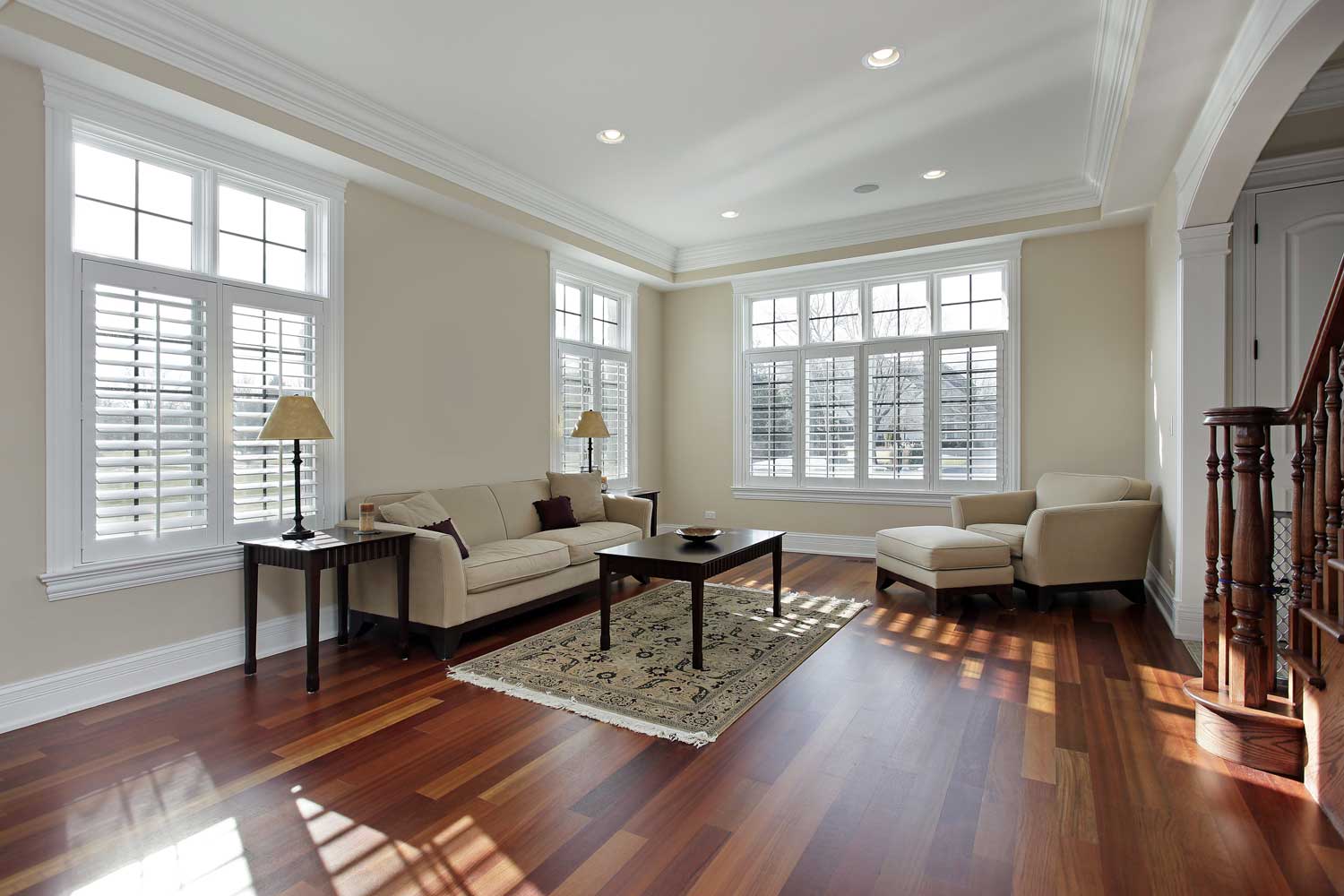
Living near the coast has plenty of perks, but high humidity can be tough on your home’s flooring. Homeowners in Wilmington often wonder whether hardwood or laminate is the better long-term investment when moisture is part of everyday life. Understanding how each material responds to the coastal climate can help you make a confident decision.
Quick Answer
Hardwood and laminate flooring can both perform well in coastal North Carolina, but they respond differently to humidity. Engineered hardwood generally offers better stability than solid hardwood in humid environments, while quality laminate resists everyday moisture but can be vulnerable if standing water reaches its core. The best choice depends on your home’s conditions, lifestyle, and long-term goals.
What Local Readers Should Know
-
Wilmington’s humid summers can cause flooring materials to expand and contract throughout the year.
-
Homes near Wrightsville Beach, Carolina Beach, and Kure Beach often experience higher indoor moisture levels due to coastal air.
-
Proper installation and moisture preparation are just as important as choosing the right flooring material.
-
Consistent indoor humidity helps both hardwood and laminate last longer.
-
Crawl spaces, older homes, and seasonal weather changes in New Hanover County can all affect flooring performance.
Why This Matters Locally
Hardwood and laminate flooring behave differently in coastal environments because moisture affects each material in unique ways. In Wilmington, frequent humidity, summer thunderstorms, and salt-laden coastal air create conditions that homeowners should consider before selecting new flooring.
Floorz To Your Doorz helps homeowners throughout the area choose flooring solutions that fit both their style and the realities of coastal living. After this introduction, we’ll simply refer to ourselves as we because our focus is helping local homeowners make informed decisions.
How Coastal Humidity Affects Flooring
Coastal humidity causes flooring materials to naturally expand as they absorb moisture and contract when conditions become drier. While modern flooring products are designed to handle seasonal changes, excessive moisture can still create problems if the wrong product is installed or the subfloor is not properly prepared.
Professional field observations throughout southeastern North Carolina show that homes with unmanaged indoor humidity tend to experience more flooring movement over time, regardless of material.
Hardwood Flooring in Coastal North Carolina
Hardwood remains one of the most desirable flooring options because of its natural beauty and long lifespan.
Solid hardwood offers timeless appeal but is more sensitive to humidity changes. Seasonal expansion and contraction may create small gaps or slight movement if indoor humidity fluctuates significantly.
Engineered hardwood is often a better fit for coastal conditions because its layered construction provides greater dimensional stability. Many homeowners appreciate that it delivers the appearance of real wood while reducing the risk of excessive movement caused by changing moisture levels.
Laminate Flooring in Humid Environments
Laminate flooring performs well under normal household humidity and offers excellent durability for busy families.
Its protective wear layer resists scratches and everyday wear, making it popular for active households. However, laminate’s fiberboard core can swell if water penetrates through seams or remains on the surface for extended periods.
Today’s premium waterproof laminate products provide significantly better moisture resistance than older generations, but prompt cleanup of spills is still important.
Local Impact on Wilmington Homes
Humidity affects more than just comfort. It also influences how flooring performs over time.
Homes with crawl spaces, older foundations, or inconsistent climate control may experience greater seasonal moisture changes. Neighborhoods closer to the Intracoastal Waterway or the Atlantic Ocean often see elevated humidity levels throughout much of the year.
Keeping indoor humidity relatively stable helps minimize flooring movement regardless of the material you choose.
Warning Signs That Moisture Is Affecting Your Floors
Watch for these signs that excess moisture may be impacting your flooring:
-
Boards or planks begin separating or developing gaps.
-
Flooring starts to cup or crown.
-
Edges appear raised.
-
Squeaking becomes more noticeable after humid weather.
-
Laminate seams begin swelling.
-
Floors feel uneven in isolated areas.
-
Discoloration develops near exterior doors or windows.
When to Call a Professional
Minor seasonal movement may be normal, but significant changes deserve professional evaluation.
If flooring begins buckling, lifting, or showing signs of moisture damage, it’s important to determine whether the issue originates from humidity, plumbing leaks, subfloor moisture, or another source. Identifying the cause early can prevent more extensive repairs.
Common Local Causes of Flooring Moisture Issues
Several local conditions contribute to flooring movement throughout the Cape Fear region.
High Coastal Humidity
Summer humidity naturally increases indoor moisture levels.
Crawl Space Moisture
Many homes throughout the area have crawl spaces where moisture can migrate upward if not properly managed.
Storm Season
Heavy rain events and tropical systems can temporarily increase indoor humidity.
HVAC Performance
Air conditioning systems play a major role in controlling indoor moisture. Poor humidity control can affect flooring throughout the home.
Prevention and Maintenance
Preventing moisture-related flooring problems starts with managing your indoor environment.
Maintain consistent indoor humidity whenever possible.
Promptly clean spills before moisture penetrates flooring seams.
Use entry mats near exterior doors to reduce tracked-in moisture and sand.
Schedule regular HVAC maintenance to ensure effective humidity control.
Have moisture levels checked before installing new flooring, especially in older homes.
What Results Can You Expect?
Choosing the right flooring for your home’s conditions helps improve long-term performance and appearance.
Proper installation, moisture testing, and selecting materials suited for coastal environments can reduce seasonal movement and extend the life of your investment. While no flooring is completely immune to humidity, the right combination of product selection and installation makes a significant difference.
Common Mistakes
Mistake: Choosing flooring based only on appearance.
Consequence: Beautiful flooring may not perform well in your home’s environment.
Better Approach: Consider moisture conditions alongside style preferences.
Mistake: Skipping moisture testing before installation.
Consequence: Hidden subfloor moisture can shorten flooring life.
Better Approach: Verify moisture levels before installation begins.
Mistake: Ignoring indoor humidity.
Consequence: Seasonal expansion and contraction become more noticeable.
Better Approach: Keep indoor humidity as consistent as practical throughout the year.
Common Local Scenario
A homeowner replacing flooring after moving into an older Wilmington home may discover that the existing crawl space contributes to elevated indoor moisture. Before selecting new flooring, evaluating moisture conditions allows the flooring choice to better match the home’s environment and helps reduce future movement.
Related Flooring Solutions
Different homes benefit from different flooring solutions.
Engineered hardwood offers authentic wood appearance with improved dimensional stability.
Modern waterproof laminate provides durability and moisture resistance for many active households.
Luxury vinyl flooring may also be worth considering for homeowners seeking maximum water resistance in certain areas of the home.
Comparing Your Options
| Feature | Engineered Hardwood | Laminate Flooring |
|---|---|---|
| Appearance | Real wood | Wood-look surface |
| Humidity Performance | Very good | Good |
| Scratch Resistance | Moderate | Excellent |
| Refinishing | Possible on some products | Not typically |
| Moisture Tolerance | Better than solid hardwood | Depends on product quality |
| Long-Term Value | High | Budget friendly |
Service Areas
We proudly help homeowners throughout Wilmington as well as Leland, Hampstead, Carolina Beach, Wrightsville Beach, Castle Hayne, Ogden, and surrounding communities across New Hanover County and nearby Brunswick and Pender counties.
The Cost of Ignoring Moisture Issues
Waiting to address moisture-related flooring concerns can lead to additional repairs, premature flooring replacement, or hidden subfloor damage. Identifying humidity concerns early helps protect both your flooring investment and your home’s structure.
Frequently Asked Questions
Does hardwood flooring work well in Wilmington?
Yes. Engineered hardwood performs well in Wilmington when properly installed and indoor humidity is managed. It generally offers better stability than traditional solid hardwood in coastal conditions.
Is laminate flooring a good choice near the North Carolina coast?
Yes. Quality laminate flooring performs well for many homes near the coast, provided standing water is cleaned promptly and installation follows manufacturer recommendations.
Which flooring lasts longer in humid climates?
Both hardwood and laminate can provide many years of service when installed correctly and maintained properly. Choosing the right product for your home’s moisture conditions is the most important factor.
Should I avoid solid hardwood in New Hanover County?
Not necessarily. Solid hardwood can still be an excellent option, but homeowners should understand its greater sensitivity to seasonal humidity changes compared to engineered hardwood.
Does indoor humidity really affect flooring?
Yes. Indoor humidity directly affects how wood-based flooring materials expand and contract throughout the year.
Can flooring be installed year-round in Wilmington?
Yes. Flooring installation can occur throughout the year, although installers typically evaluate moisture conditions before beginning work to help ensure the best results.
Choose Flooring That Fits Coastal Living
The best flooring isn’t simply the one that looks great today. It’s the one that continues performing well through Wilmington’s changing seasons and coastal humidity. By understanding how hardwood and laminate respond to local conditions, you can make a flooring investment that fits both your lifestyle and your home.
Find the Right Flooring for Your Wilmington Home
Whether you’re leaning toward hardwood or laminate, we’re here to help you compare your options and choose flooring that performs well in coastal North Carolina.