

When To Make Flooring Changes!
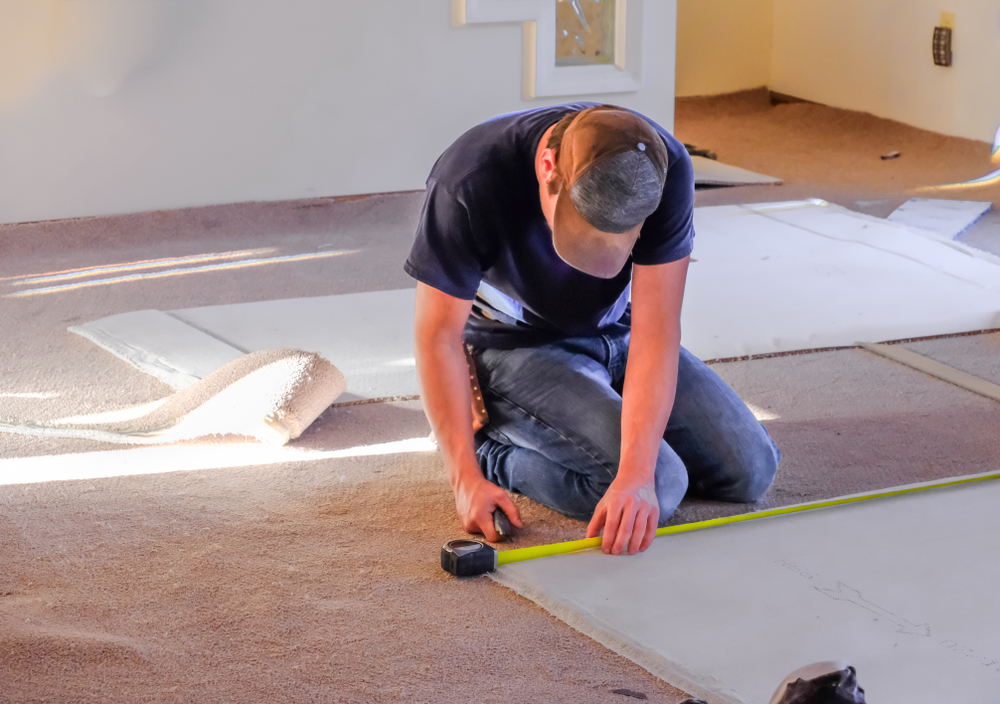
The flooring in your home is more than just a surface to walk on. It’s a key part of your home’s structure, appearance, and functionality. Over time, every floor reaches a point where replacement isn’t just a cosmetic upgrade but a necessity for comfort, safety, and health. Recognizing when to make flooring changes can help homeowners avoid costly structural problems and even improve property value. Whether due to functional concerns or stylistic shifts, there are several compelling reasons why it might be time to tear up that old carpet or worn-down hardwood and start fresh.
Structural Issues: Water Damage and Subfloor Problems
One of the most urgent reasons to replace flooring is when critical structural issues arise. Water damage and mold signs can quietly wreak havoc beneath the surface, often going unnoticed until the floor begins to warp, discolor, or emit a musty odor. These issues are not just cosmetic. Water infiltration can lead to the growth of mold, which poses health risks, especially for individuals with respiratory conditions. If you notice dark patches, soft spots, or an unpleasant smell, it could be a red flag indicating the need for immediate flooring replacement.
In many cases, these problems are linked to deeper subfloor issues. Signs of buckling or softness underfoot often mean that the subfloor has been compromised, typically due to long-term moisture exposure or pest damage. Ignoring these symptoms can lead to sagging floors or, in extreme cases, safety hazards. Addressing the subfloor at the same time as updating the flooring ensures the structural integrity of your home and prevents recurring damage.
Wear, Tear, and Pet Damage Over Time
Everyday use takes a toll on flooring, especially in high-traffic areas like hallways, kitchens, and living rooms. Excessive wear & tear accumulates over time, showing up as deep scratches, dull finishes, and thinning materials. Hardwood can lose its luster and show grooves, while laminate may start peeling at the edges. This isn’t just about looks; worn-down floors can be more difficult to clean, collect more dust and allergens, and even present tripping hazards.
Homes with pets often experience another layer of damage. Pet stains, claw marks, and the lingering effects of accidents can deteriorate flooring quickly. Carpet especially suffers from pet damage and stains, often holding onto odors and discoloration even after multiple cleanings. Replacing flooring in these situations isn’t merely an aesthetic decision; it improves sanitation and contributes to a healthier living environment. For pet owners, switching to hard surfaces like tile or luxury vinyl plank can be a durable and low-maintenance alternative.
Remodeling or Changing the Home’s Layout
Another key opportunity for flooring changes comes during a major remodel or layout change. When walls come down or spaces are reconfigured, it often results in exposed areas of the subfloor or inconsistencies in flooring levels. Trying to patch new flooring into an old layout usually looks disjointed and highlights the age of the original materials. Starting fresh allows for a unified look across open-concept spaces, enhancing the visual flow and cohesion of the home.
Renovations also offer a chance to upgrade flooring materials to match modern living standards. For example, kitchens and bathrooms might benefit from waterproof materials, while living areas may be upgraded with stylish engineered hardwood or durable laminate. When investing in a remodel, the last thing homeowners want is for old flooring to undermine the new aesthetic or function of the space. It’s often more efficient and cost-effective to replace flooring during renovations rather than after the fact.
Improving Health and Air Quality
Health concerns can also drive the need for new flooring. Many older homes contain carpets that harbor dust, allergens, and even mold spores, which can negatively affect indoor air quality. For individuals with asthma, allergies, or sensitivities, old carpet is a constant source of irritation. Allergy concerns / air quality are increasingly a reason for homeowners to switch from carpet to hard surfaces like hardwood, tile, or vinyl.
These surfaces don’t trap particles the way carpet does, making them easier to clean and maintain. They can also be more resistant to mold and mildew, particularly in humid climates. Replacing old carpet with a hard surface floor not only modernizes the space but can also bring significant health benefits for your family. For parents of young children, flooring choices can influence the overall cleanliness and safety of play areas, particularly when spills and allergens are frequent concerns.
Preparing for a Sale or Aesthetic Update
If you’re thinking about listing your home, it’s smart to evaluate the state of your flooring. Floors are one of the first features potential buyers notice, and outdated aesthetics, the “tired look”, can instantly dampen first impressions. Floors that appear dingy, dated, or inconsistent with the rest of the home may leave buyers calculating the cost of replacement, which can affect offers and time on the market.
Updating your floors can significantly improve home resale value prior to listing the home. It’s one of the most cost-effective upgrades, offering a high return on investment when done properly. Even a simple refresh with modern materials can transform a space and boost buyer appeal. Neutral tones, wood-look finishes, and cohesive flooring throughout the main living spaces make the home feel more spacious, well-maintained, and move-in ready.
On the other hand, homeowners not planning to move may still consider flooring changes purely for aesthetic renewal. Interior design trends evolve, and what was stylish 15 years ago may now look dull or clashing with updated furniture or wall colors. Replacing outdated flooring with modern materials and colors can breathe new life into a home and increase daily enjoyment of the space.
Conclusion
Knowing when to make flooring changes comes down to a combination of necessity and opportunity. Structural issues like water damage, mold signs, and subfloor problems demand immediate attention to protect the home’s integrity. Long-term wear, pet damage, and allergy concerns signal it’s time for a healthier, more durable solution. Remodeling projects and layout changes create natural moments to unify flooring choices across open spaces, while updating floors before a sale or due to outdated aesthetics can dramatically impact home value and appeal.
Every floor has a life cycle, and eventually, replacement becomes the smarter, and safer, choice. Whether for health, appearance, or structural reasons, paying attention to the signs ensures that your flooring continues to support and enhance the life happening above it. Making informed decisions about when to replace flooring leads to a more beautiful, comfortable, and valuable home.